
Community desk
Take a credit question to the reseller board
Bring the pack invoice, usable credit count and the deduction for one customer term. The board’s staff examples show how to reconcile a difference without publishing a customer record.
IPTV Blogs / Field desk
Which figures make two reseller accounts comparable? Bring the pack invoice, usable credit count and the deduction for one customer term. The board’s staff examples show how to reconcile a difference without publishing a customer record.
Bring the pack invoice, usable credit count and the deduction for one customer term. The board’s staff examples show how to reconcile a difference without publishing a customer record.
The staff example checks the track menu in each version and whether words appear after a channel change. Save one cue and its time from each.
Match term, currency and billing merchant, then read the renewal line. Keep the receipt privately so the public description can identify the charge without exposing a payer.
The staff discussion tests a regional feed’s identifier against a known programme. It records the original mapping before editing that single row.

List the organiser’s start and zone, the broadcaster’s coverage window and the time shown by the app. Those three entries can describe different moments.
Name the station edition, guide title and local time, then say whether live video still plays. Add the last successful import if the grid stops early.
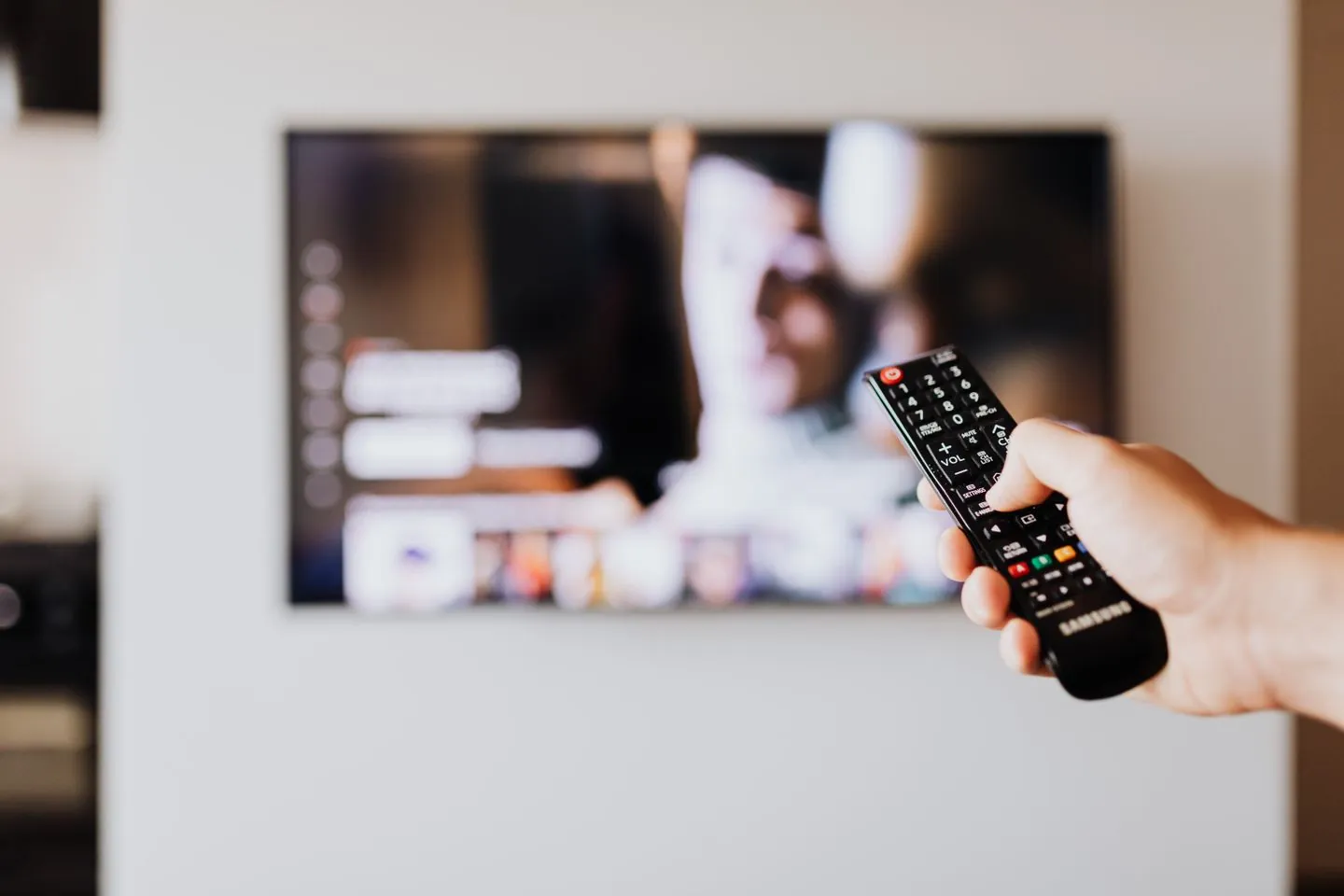
The player licence and its stored setup can travel by different routes. Check the old app’s export and the replacement edition’s accepted restore format.
The staff ledger example begins at 25 credits and records deductions of 1, 5 and 9. An expected 10 beside a panel balance of 9 calls for checking the transaction history.
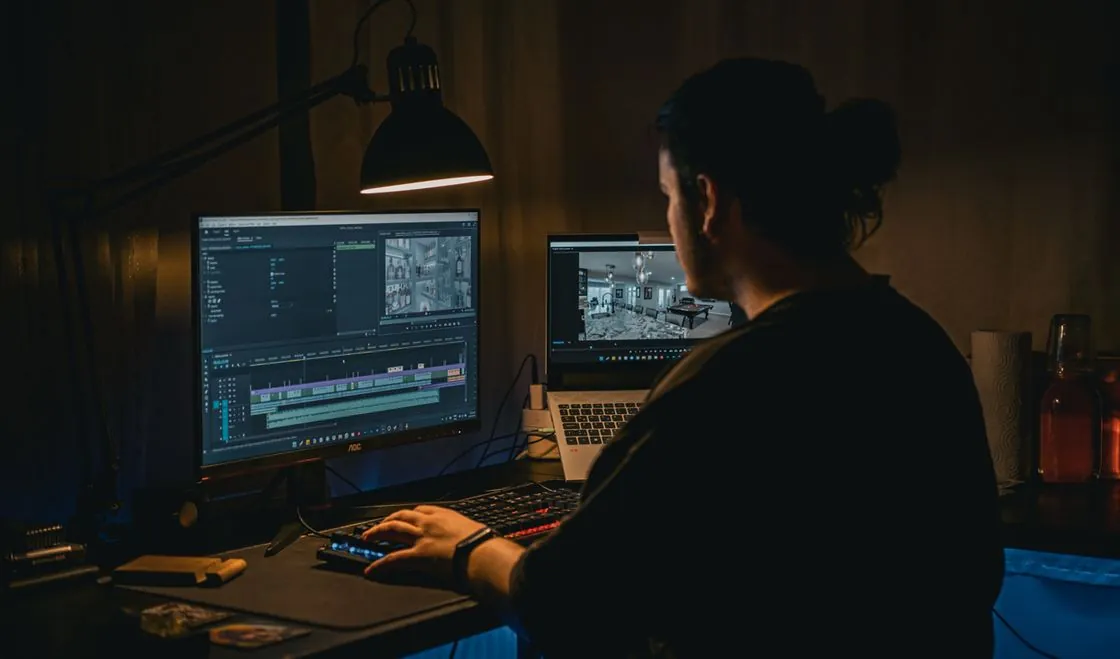
In the illustrative receipt, a base 12 units plus tax of 2 and a payment charge of 1 gives 15. Keep any separate player purchase on its own line.
Check a bulletin that differs between neighbouring editions. Keep the original channel mapping and verify the chosen fix after a guide refresh.
Find the model and software build. Compare the publisher, screenshots and account requirement on the official store before entering any existing credentials.
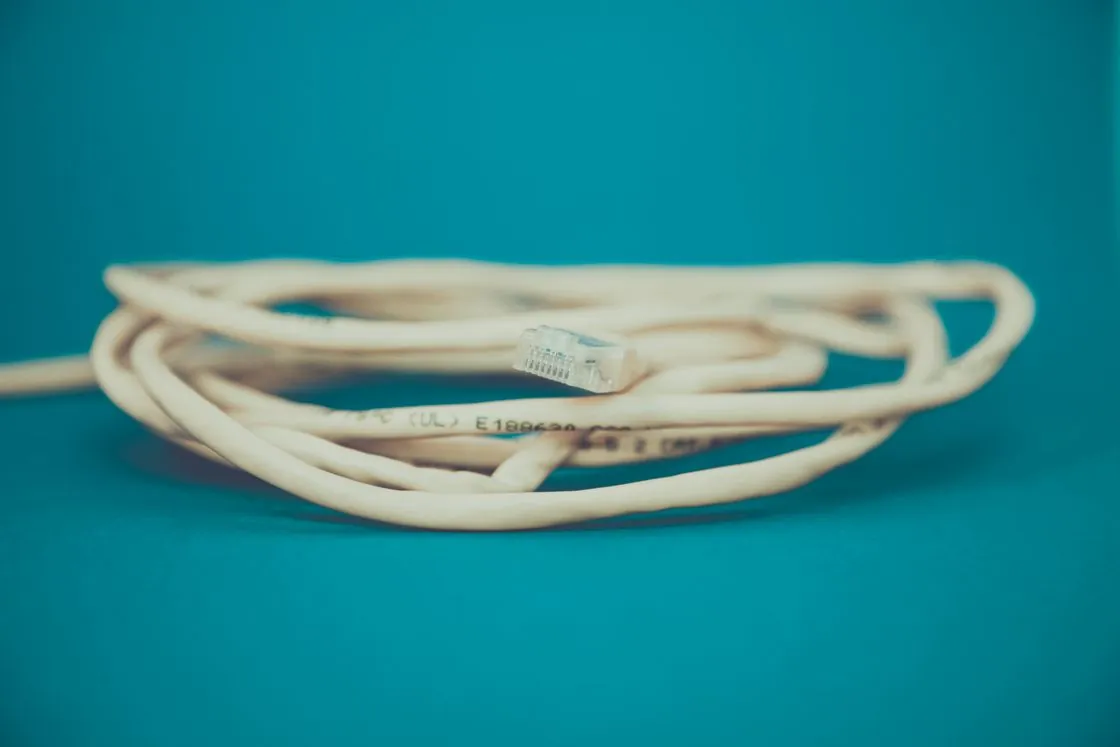
Return the same player and programme to Wi-Fi. A repeated failure makes one placement or wireless change a more informative next step.
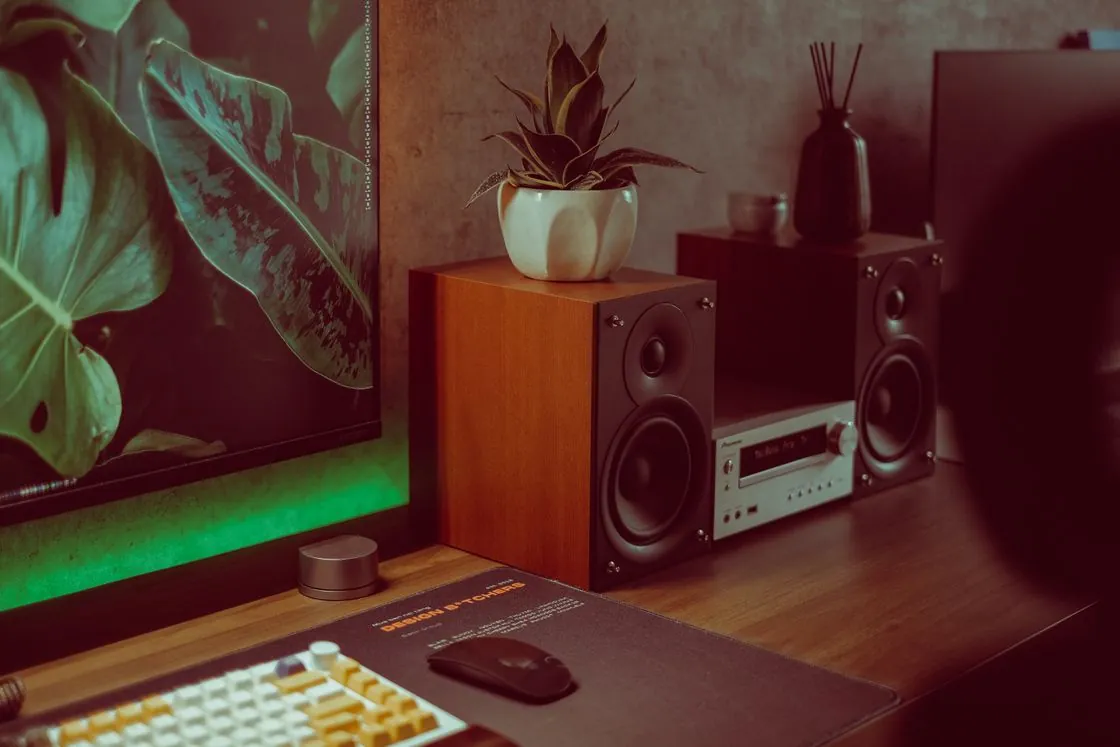
Record the TV output, soundbar connection and track. Compare TV speakers with the same programme, then report whether a second app follows the same pattern.
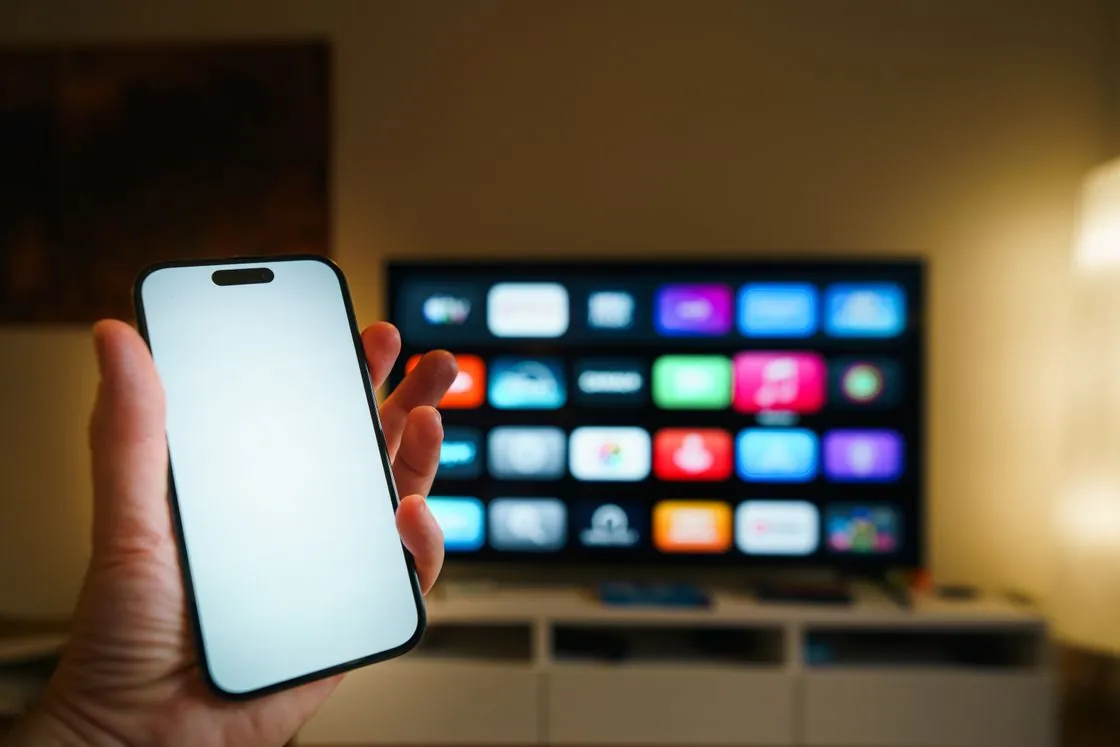
Test one authorized session, then check the familiar feed, captions, sound and guide. Leave the original setup available until those viewing tasks work.
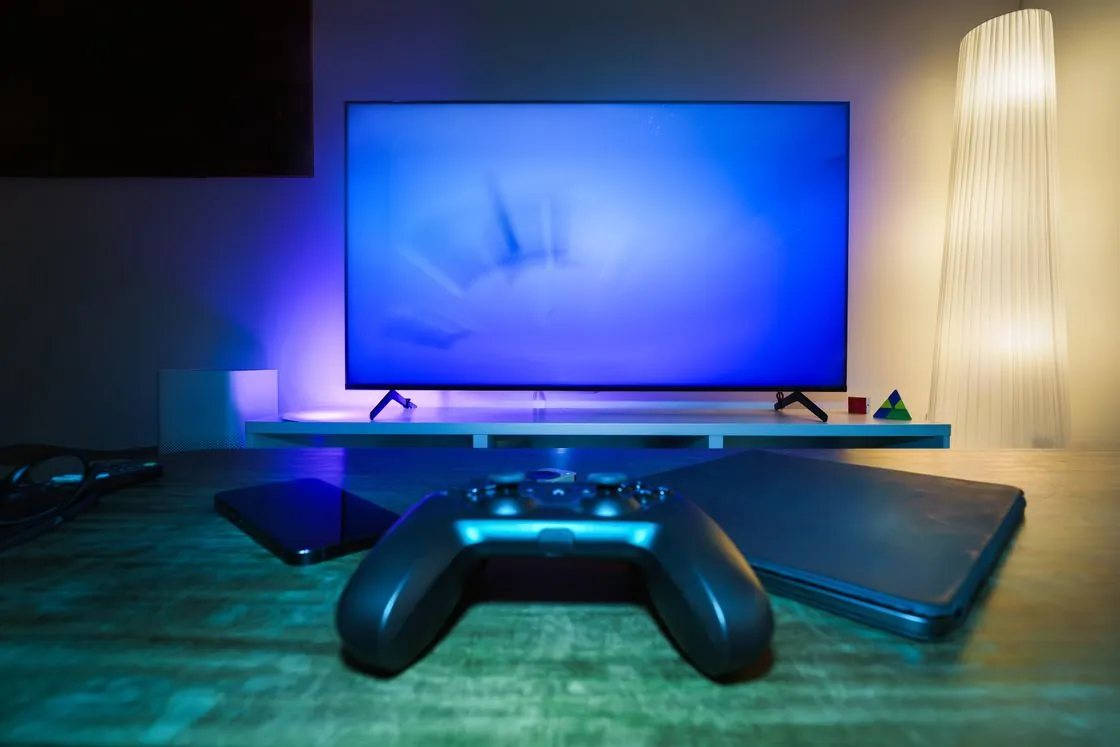
Give the device and app, a working item, a failing item and what happened in a second app. Leave private playlist addresses out of the report.
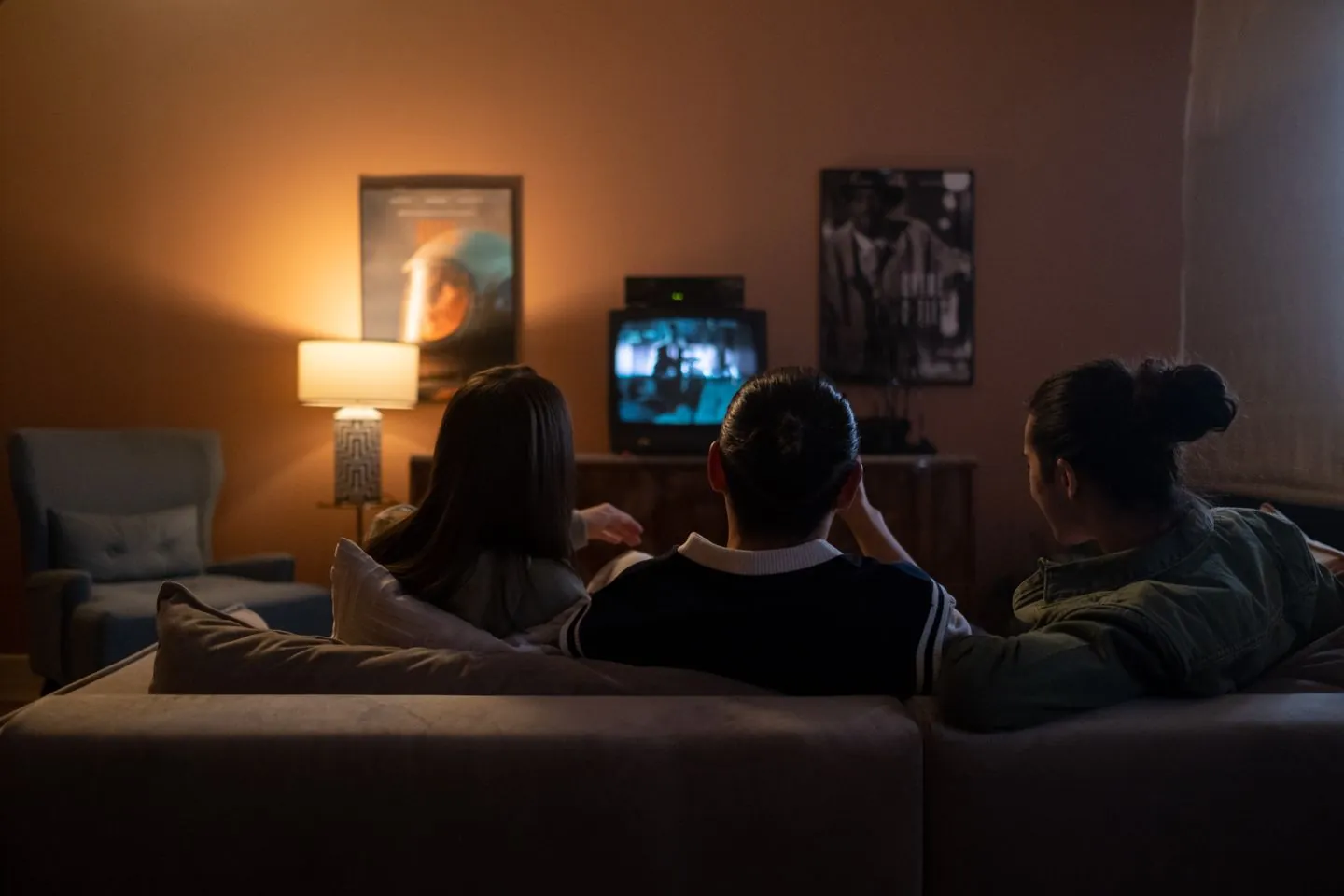
Test each authorized screen alone, then record what happens together. Read the account’s written simultaneous-session rule before changing the Wi-Fi.
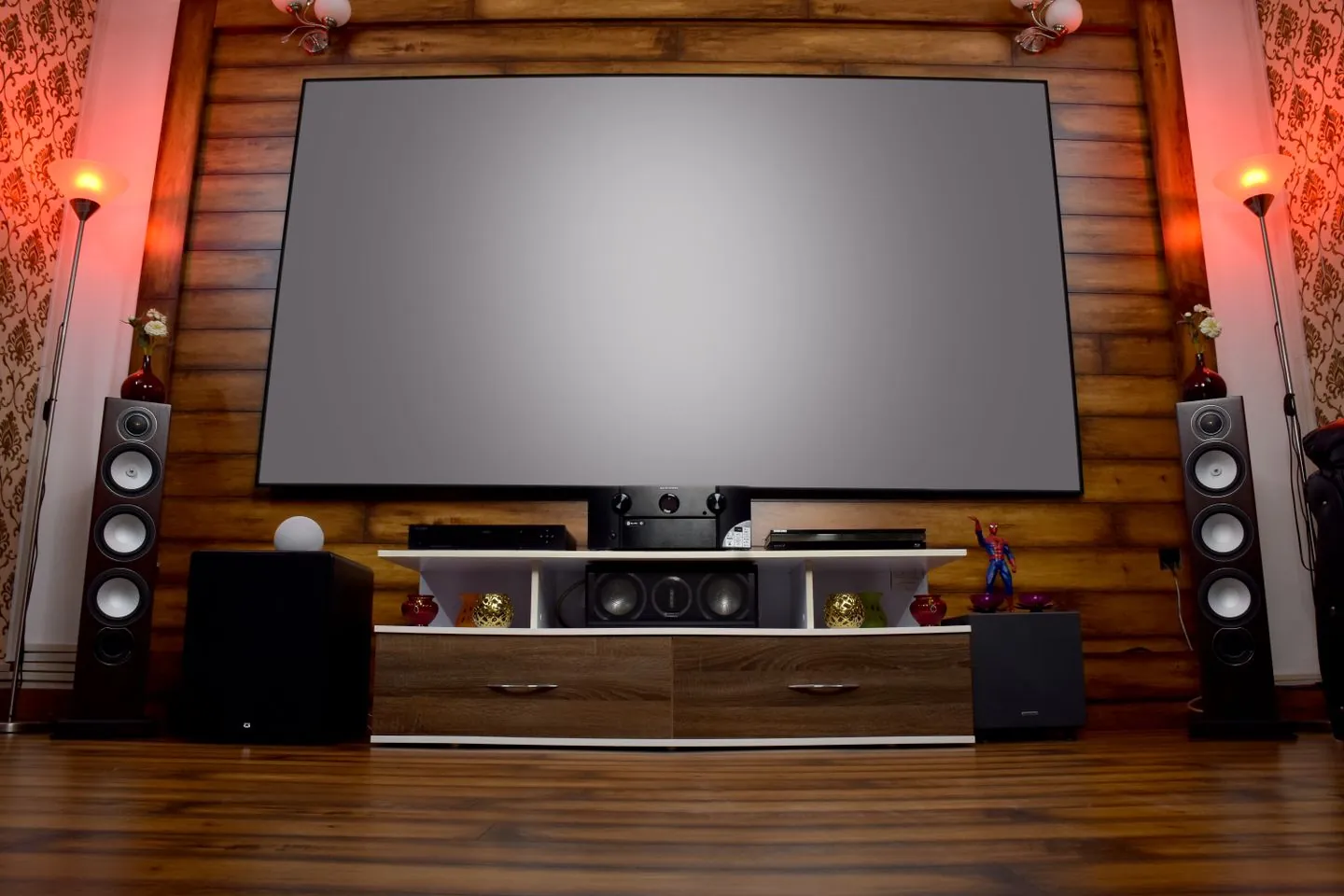
Include the source and TV models, HDMI path and whether sound or picture returned. Match the blink to a format change by changing just one supported setting.
Write the pack price, usable balance and documented term deduction. Work through the same customer term under both schedules before comparing the result.
Use the full model, software build and name of the app publisher. Describe whether the problem begins in the TV store, at installation or during playback.
Write the visible station, regional edition, local time and wrong programme. Include an expected public listing with any account details removed.
A failure at launch, a regular hitch and a freeze ten minutes in point to different checks. Name the working comparison and the output path you used.
Name the exact seller domain, term, original currency and date of the public offer. Record whether the figure came from a listing or checkout.
Name the device, app edition and the visible step that you can reach. Describe the next expected screen without sharing activation codes or private addresses.
Save the public page address, the link or control used and its visible result. Mention the screen width if the issue appears only on a phone.
Remove account names, order references, private playlist addresses and activation details. Check the address bar and any open panel before sharing the image.
Identify the programme, market and source of the claim. Share an authorized public listing and keep copies of private or unlicensed streams out of the discussion.
Give the exact article, the passage that needs attention and a dated primary source. Show the replacement detail and where the reader can verify it.
An editor needs to compare the original claim with the current source and check related tables or answers. A specific date makes that review repeatable.
Name the affected device, what you selected and the first thing that failed. Move account-specific details to the appropriate private support channel.
Open the staff discussions or browse the setup guides from the question page. The saved public edition presents these discussions as a read-only reference.